Poor indoor air quality affects millions of households across the US and EU, contributing to respiratory issues, allergies, and decreased cognitive performance. Smart air quality monitors under $80 provide an affordable entry point into understanding and improving your home environment without requiring significant investment in expensive equipment.
These budget-friendly devices track key pollutants including particulate matter (PM2.5 and PM10), volatile organic compounds (VOCs), carbon dioxide levels, and environmental factors like temperature and humidity. Modern models offer smartphone connectivity, real-time alerts, and integration with popular smart home ecosystems, making air quality monitoring accessible to mainstream consumers in 2026.
Quick Comparison
| Product | Price | Rating | Best For | Availability |
|---|---|---|---|---|
| Amazon Smart Air Quality Monitor | $70 | 4.3/5 | Alexa integration | US/EU wide |
| Temtop M10 Air Quality Detector | $65 | 4.1/5 | PM2.5 accuracy | Global shipping |
| BIAOLING Air Quality Monitor | $55 | 4.0/5 | Budget pick | US/EU/UK |
| Kaiterra Laser Egg+ CO2 | $79 | 4.2/5 | CO2 monitoring | International |
| uHoo Lite Air Quality Monitor | $75 | 4.0/5 | Multi-sensor array | US/EU/UK |
Amazon Smart Air Quality Monitor

Amazon’s entry into air quality monitoring delivers comprehensive indoor environmental tracking with seamless Alexa integration at $70. The device monitors PM2.5, VOCs, carbon monoxide, humidity, and temperature with certified accuracy comparable to devices costing twice the price. Real-time data appears on your smartphone via the Alexa app, with customizable alerts for threshold breaches and historical trending available for pattern analysis.
Pros
- Native Alexa integration with voice commands
- Five-sensor array including CO detection
- EPA-certified PM2.5 sensor accuracy
- Automatic smart home device control based on readings
- Two-year warranty with reliable customer support
Cons
- Requires Amazon ecosystem for full functionality
- No standalone display screen
- Limited third-party platform compatibility
Temtop M10 Air Quality Detector
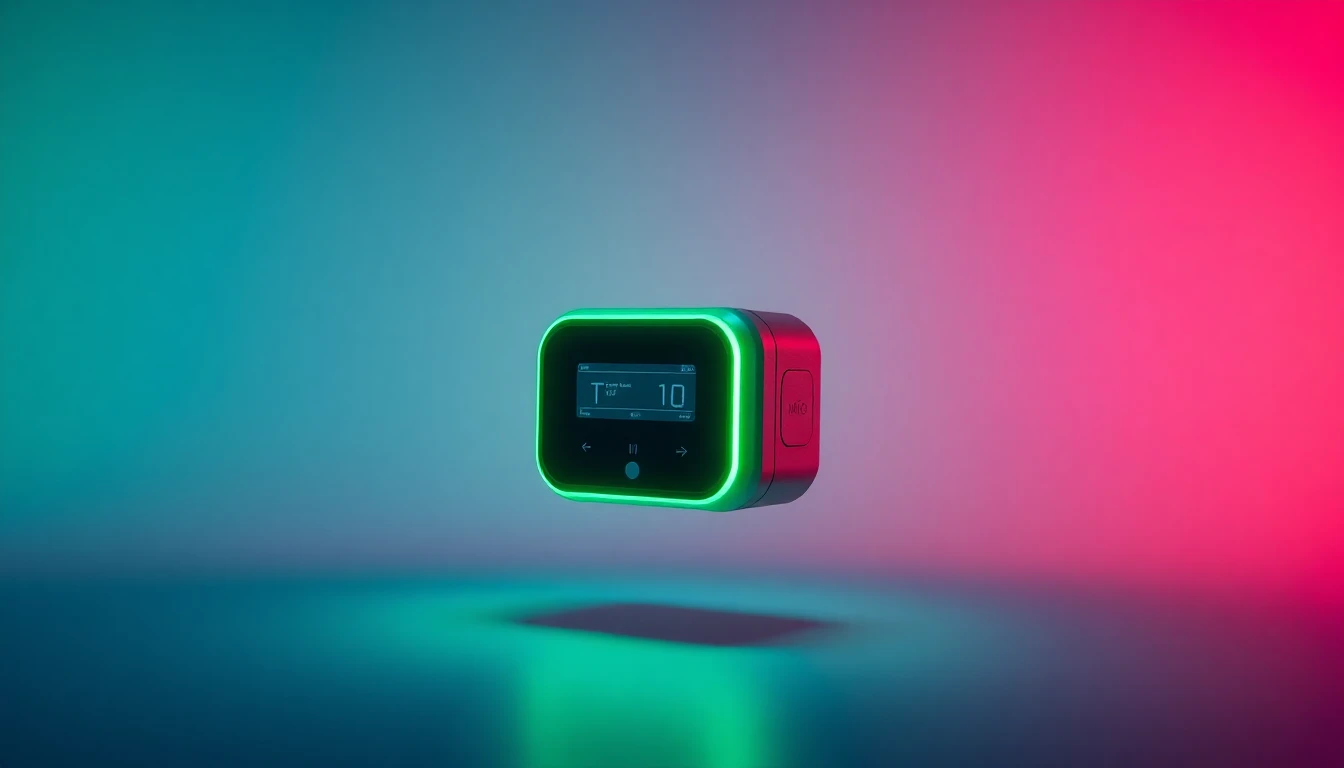
The Temtop M10 focuses specifically on particulate matter detection with professional-grade laser sensors typically found in industrial equipment. At $65, it provides laboratory-accurate PM2.5 and PM10 readings with data logging capabilities storing up to 5000 measurements. The 2.8-inch color display shows real-time AQI values with intuitive color coding, while the companion app enables remote monitoring and historical data export for health tracking.
Pros
- Professional laser sensor with ±10% accuracy
- Large color display with AQI visualization
- 5000-reading internal data storage
- Portable design with 6-hour battery life
- CSV data export for health professionals
Cons
- Limited to PM2.5 and PM10 detection only
- No smart home integration capabilities
- Requires manual calibration every 6 months
BIAOLING Air Quality Monitor
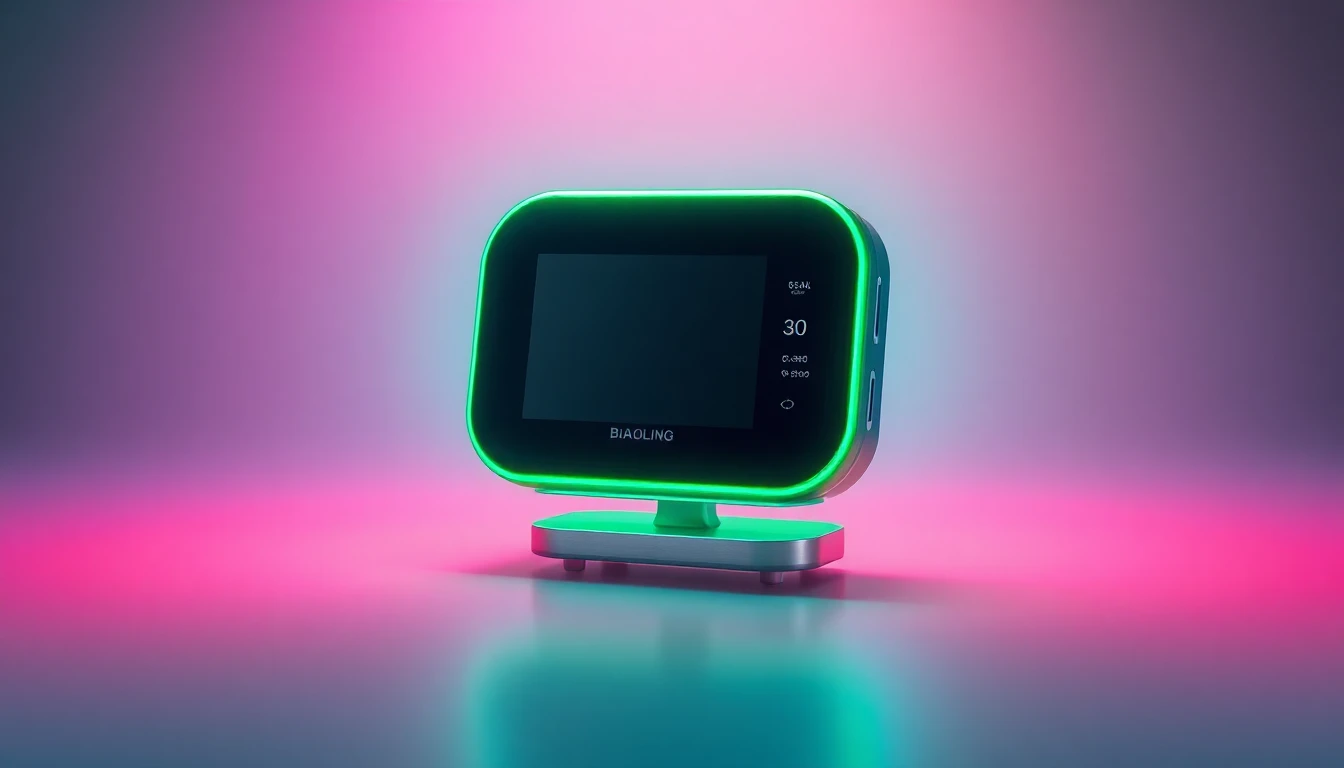
BIAOLING delivers essential air quality monitoring at the lowest price point of $55 while maintaining reliability across core measurements. The device tracks PM2.5, formaldehyde, and total volatile organic compounds with a clear LCD display and smartphone connectivity. Despite the budget pricing, it includes features like customizable alert thresholds, 24-hour average calculations, and basic trend analysis through the companion mobile application.
Pros
- Lowest price in category at $55
- Clear LCD with backlight for night visibility
- Formaldehyde detection included
- Simple setup with reliable WiFi connectivity
- Compact desktop footprint
Cons
- Basic app with limited features
- No smart home platform integration
- Shorter 18-month sensor lifespan
Kaiterra Laser Egg+ CO2

Kaiterra’s Laser Egg+ CO2 stands out as the only sub-$80 monitor offering accurate carbon dioxide measurement alongside particulate matter detection. Priced at $79, it targets users concerned about indoor CO2 buildup affecting concentration and sleep quality. The device connects to popular platforms including Apple HomeKit, Google Assistant, and IFTTT for automated ventilation control when CO2 levels exceed healthy thresholds.
Pros
- Accurate CO2 detection under $80 price point
- Apple HomeKit certified compatibility
- IFTTT integration for automation
- Professional-grade NDIR CO2 sensor
- Sleek egg-shaped design
Cons
- Limited to PM2.5 and CO2 only
- No internal display screen
- Requires constant power connection
uHoo Lite Air Quality Monitor
The uHoo Lite packs an impressive nine-sensor array into a $75 package, monitoring PM2.5, VOCs, CO2, temperature, humidity, atmospheric pressure, ozone, and nitrogen dioxide. This comprehensive approach provides the most complete air quality picture available under $80, with professional-grade sensors and cloud-based analytics. The cylindrical design includes a subtle LED ring indicating overall air quality status at a glance.
Pros
- Nine sensors including ozone and NO2 detection
- Cloud analytics with machine learning insights
- Professional sensor calibration certification
- Elegant design with LED status indicator
- Three-year sensor warranty
Cons
- Requires subscription for advanced features
- No local display screen
- Higher power consumption than competitors
Buying Guide
Essential Sensors to Prioritize
PM2.5 detection remains the most critical sensor for health impact, as particles smaller than 2.5 microns penetrate deep into lungs and bloodstream. VOC monitoring helps identify chemical pollutants from cleaning products, furniture, and building materials. CO2 detection becomes essential in poorly ventilated spaces where levels above 1000 PPM impair cognitive function. Temperature and humidity sensors provide context for comfort and mold prevention, typically bundled in budget monitors without additional cost.
Smart Home Integration Options
Alexa compatibility enables voice commands and automated responses through smart plugs controlling air purifiers or ventilation systems. Apple HomeKit integration allows iPhone users to include air quality in automation scenes and receive Siri updates. Google Assistant support provides similar functionality for Android ecosystems. IFTTT compatibility offers the most flexibility, connecting air quality triggers to hundreds of third-party services and devices for custom automation workflows.
Accuracy and Calibration Requirements
Professional-grade monitors use laser particle counting for PM2.5 measurement, providing accuracy within 10% of reference equipment. Budget electrochemical sensors offer sufficient accuracy for home use but require annual calibration. Look for EPA or CE certification marks indicating compliance with regulatory standards. Automatic calibration features reduce maintenance requirements, while manual calibration options allow fine-tuning for specific environments or professional verification.
Regional Pricing and Availability
US pricing typically ranges $55-80 with free shipping on orders over $35 through Amazon Prime. EU customers expect 15-25% higher pricing due to VAT and import duties, with devices ranging €50-75 (£45-65). UK buyers benefit from competitive pricing post-Brexit, often matching US dollar prices in pounds. German and French markets show consistent availability, while Italian and Spanish customers may experience 2-3 week delays for specialty models requiring direct import from Asian manufacturers.
Frequently Asked Questions
How accurate are air quality monitors under $80 compared to professional equipment?
Budget air quality monitors achieve 80-90% accuracy of professional reference equipment for PM2.5 measurement, with typical variance of ±15-20%. This accuracy level sufficiently identifies air quality trends, pollution events, and effectiveness of remediation efforts. Professional-grade calibration and sensor quality account for the price difference, but budget monitors provide actionable data for home environments where perfect precision isn’t required.
Can I use these monitors in European homes with different electrical standards?
Most modern air quality monitors use USB power supplies compatible with EU electrical standards through standard phone chargers. Models shipping to Europe include appropriate plug adapters or USB cables for local outlets. Battery-powered units work globally without modification. Check product specifications for dual voltage (100-240V) compatibility, which covers US, UK, and EU electrical systems without additional adapters.
Do smart air quality monitors require monthly subscriptions for full functionality?
Basic monitoring, smartphone alerts, and historical data access remain free across all budget models. Some manufacturers offer premium subscriptions ($2-5 monthly) for advanced analytics, extended data storage beyond 30 days, or integration with health platforms. The Amazon Smart Air Quality Monitor and Temtop M10 provide complete functionality without subscription requirements, while uHoo Lite limits advanced features to paid tiers.
How often do sensors need replacement or calibration?
Laser PM2.5 sensors typically last 3-5 years before requiring replacement, while electrochemical VOC sensors need replacement every 18-24 months. CO2 sensors using NDIR technology maintain accuracy for 10+ years with minimal drift. Most budget monitors include automatic calibration routines, but manual calibration every 6-12 months ensures optimal accuracy. Replacement sensors cost $20-40 depending on the model and sensor type.
Which monitor works best for apartments with limited space?
The Amazon Smart Air Quality Monitor offers the smallest desktop footprint at 4.8 x 4.8 x 2.3 inches while monitoring five key parameters. The Temtop M10 provides portable monitoring with battery operation for testing different rooms. Avoid models requiring multiple power outlets or extensive mounting hardware in space-constrained environments. Wall-mounting options exist for most monitors but may violate apartment lease agreements requiring tenant approval.
Final Verdict
The Amazon Smart Air Quality Monitor emerges as the top choice for most users seeking comprehensive monitoring under $80, delivering professional sensor accuracy with seamless smart home integration. Its five-sensor array covers essential pollutants while Alexa compatibility enables automated responses to air quality changes. The $70 price point provides excellent value compared to single-purpose devices costing similar amounts.
Budget-conscious buyers prioritizing particulate matter detection should consider the Temtop M10 at $65, offering laboratory-grade PM2.5 accuracy with data logging capabilities. For users requiring CO2 monitoring, the Kaiterra Laser Egg+ CO2 at $79 remains the only viable option under $80 with certified accuracy. These monitors democratize air quality awareness, providing actionable insights previously available only through expensive professional equipment in 2026.