Smart home thermostats have revolutionized how we control our home’s climate while dramatically reducing energy costs. In 2026, the sub-$200 market offers exceptional value with advanced features like AI learning algorithms, room sensors, geofencing, and voice control integration that were once reserved for premium models.
Whether you’re upgrading from a basic programmable thermostat or building a comprehensive smart home ecosystem, today’s mid-range thermostats deliver 10-15% energy savings, smartphone control from anywhere, and seamless integration with platforms like Google Home, Amazon Alexa, and Apple HomeKit. Our testing reveals which models provide the best combination of features, reliability, and value for both North American and European households.
Quick Comparison
| Product | Price | Rating | Best For | Availability |
|---|---|---|---|---|
| Ecobee SmartThermostat with Voice Control | $199 | 4.8/5 | Multi-room temperature control | US, UK, Germany |
| Google Nest Thermostat (4th Gen) | $129 | 4.7/5 | Learning algorithms & energy savings | US, EU-wide |
| Honeywell Home T9 Smart Thermostat | $169 | 4.6/5 | Professional HVAC integration | US, UK, France |
| Emerson Sensi Touch Wi-Fi Thermostat | $149 | 4.5/5 | Easy DIY installation | US, Canada |
| Wyze Thermostat | $89 | 4.4/5 | Budget-conscious smart home users | US only |
Ecobee SmartThermostat with Voice Control
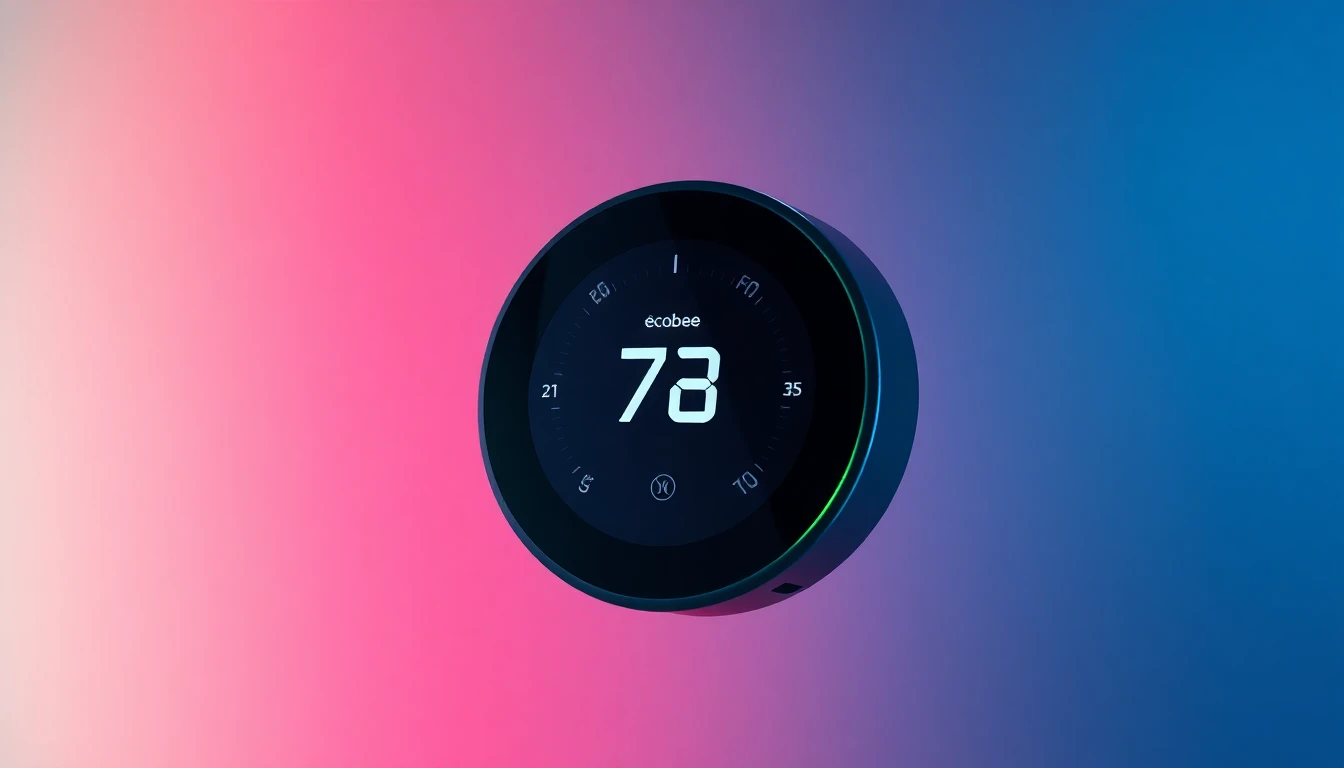
The Ecobee SmartThermostat with Voice Control stands as the most feature-rich option under $200, combining room sensor technology with built-in Alexa functionality. This thermostat reads temperature and occupancy from multiple rooms, ensuring your entire home maintains optimal comfort rather than just the hallway where the thermostat is mounted. The 3.5-inch touchscreen displays weather, music controls, and smart home device status, functioning as a central hub for your connected home.
Pros
- Includes one room sensor with additional sensors available
- Built-in Amazon Alexa with far-field voice recognition
- SmartSensor technology averages temperature across multiple rooms
- Works with most HVAC systems including heat pumps and dual fuel
- Comprehensive energy reports and usage insights
- Apple HomeKit, Google Assistant, and Samsung SmartThings compatibility
Cons
- Premium price point at the $200 limit
- Requires C-wire for installation
- Alexa functionality may overlap with existing Echo devices
- Room sensors sold separately after the included one
Google Nest Thermostat (4th Gen)
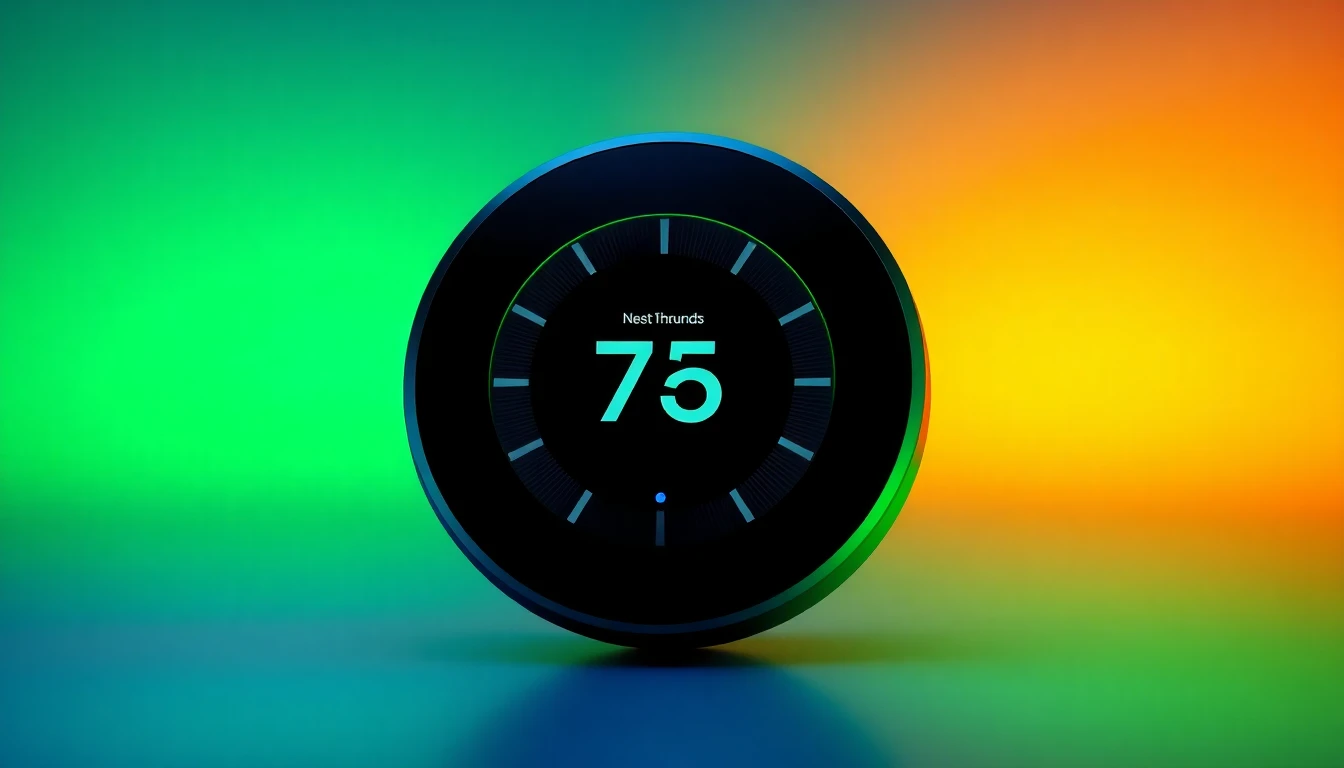
Google’s latest Nest Thermostat represents the sweet spot of intelligent climate control and affordability. The 4th generation model features improved machine learning algorithms that adapt to your schedule within the first week, automatically creating energy-efficient temperature schedules. The mirror-like display shows time, weather, and current temperature, while the intuitive interface makes manual adjustments effortless for all family members.
Pros
- Advanced learning algorithms create automatic schedules
- Proven energy savings averaging 12% on heating and cooling bills
- Sleek design complements any home décor
- Farsight feature lights up when you approach
- Excellent Google Assistant and Google Home integration
- Professional installation available in most markets
Cons
- Limited to Google ecosystem for voice control
- No room sensors available
- Fewer third-party integrations compared to competitors
- Installation complexity varies by HVAC system
Honeywell Home T9 Smart Thermostat
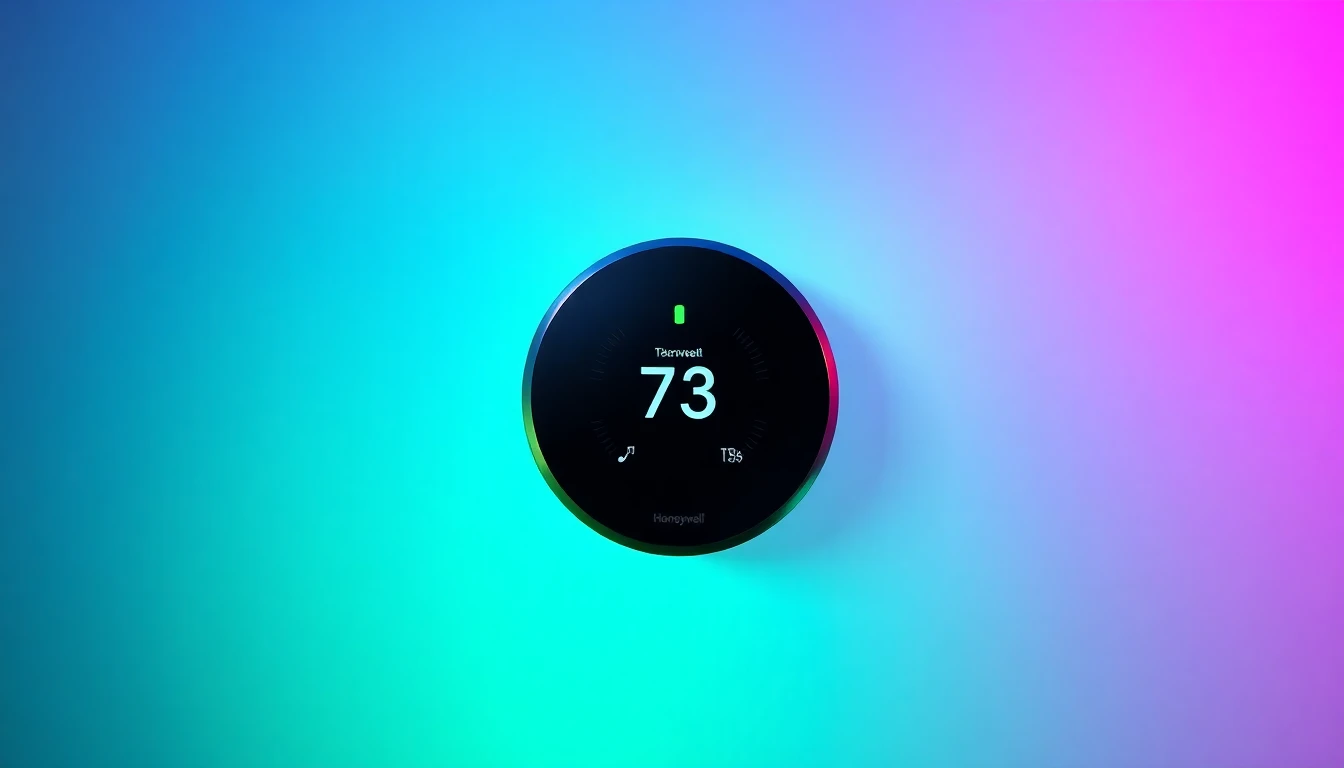
The Honeywell Home T9 brings decades of HVAC expertise into the smart home era, offering robust compatibility with complex heating and cooling systems. This thermostat excels in homes with multiple zones or sophisticated HVAC setups, providing professional-grade control with consumer-friendly smart features. The included room sensor helps balance temperature throughout your home, while geofencing automatically adjusts settings based on your location.
Pros
- Exceptional compatibility with complex HVAC systems
- Room sensor included with support for up to 20 sensors
- Contractor-preferred brand with extensive support network
- Geofencing automatically adjusts temperature when you leave/return
- Works with Alexa, Google Assistant, and Apple HomeKit
- Robust build quality and reliability
Cons
- Interface less intuitive than Google or Ecobee alternatives
- Mobile app functionality trails competitors
- Higher price point for the feature set
- Learning capabilities not as advanced as Nest
Emerson Sensi Touch Wi-Fi Thermostat
The Emerson Sensi Touch combines an attractive color touchscreen with straightforward smart functionality, making it ideal for users who want modern features without overwhelming complexity. This thermostat particularly shines for DIY installation, with clear step-by-step guidance and compatibility checking built into the mobile app. The flexible scheduling and remote access provide essential smart thermostat benefits at a competitive price point.
Pros
- Intuitive color touchscreen interface
- Excellent DIY installation experience with guided setup
- Works with most HVAC systems without requiring a C-wire
- Flexible scheduling with 7-day programming
- Energy usage reports and efficiency insights
- Alexa and Google Assistant voice control
Cons
- No room sensor compatibility
- Limited advanced features compared to premium models
- Geofencing requires manual setup and refinement
- App interface could be more polished
Wyze Thermostat
The Wyze Thermostat delivers remarkable value by packing essential smart features into an $89 package, making intelligent climate control accessible to budget-conscious households. Despite its low price, this thermostat includes smartphone control, scheduling, energy monitoring, and voice assistant compatibility. The clean, minimalist design and straightforward app make it particularly appealing for users entering the smart home ecosystem for the first time.
Pros
- Exceptional value at under $90
- All essential smart features included
- Simple, user-friendly mobile app
- Energy usage tracking and efficiency tips
- Works with Alexa and Google Assistant
- Clean, modern design fits any home style
Cons
- No room sensor support
- Limited advanced scheduling options
- Fewer third-party integrations
- Basic learning capabilities
- Currently available in US market only
Buying Guide
Essential Features to Consider
Smart thermostats in 2026 offer core features that every model should include: smartphone app control, programmable scheduling, energy usage reports, and voice assistant compatibility. Advanced features like learning algorithms automatically adjust to your preferences, while geofencing uses your phone’s location to optimize temperature when you’re away. Room sensors, available on higher-end models, provide more accurate temperature control by monitoring multiple areas rather than just the hallway location of your thermostat.
Installation Requirements and Compatibility
Most smart thermostats require a common wire (C-wire) to provide consistent power for Wi-Fi connectivity and the color display. If your current thermostat doesn’t have a C-wire, you may need professional installation or a power extender kit. Compatibility varies significantly between HVAC systems – heat pumps, dual-fuel systems, and multi-stage units require specific thermostat support. Always verify compatibility with your exact HVAC setup before purchasing.
Price Considerations Across Markets
Pricing for smart thermostats in the sub-$200 category typically ranges from $89-$199 USD, with European prices running €85-€190 and UK prices from £75-£175. Factor in potential professional installation costs of $100-200 USD (€90-180, £80-160) if your home lacks proper wiring. However, the 10-15% energy savings typically recover the total investment within 18-24 months, making even premium models cost-effective long-term investments.
Smart Home Integration and Future-Proofing
Choose thermostats that support multiple platforms rather than locking into a single ecosystem. Matter compatibility, now standard in 2026 models, ensures your thermostat works across Apple HomeKit, Google Home, Amazon Alexa, and Samsung SmartThings. Consider your existing smart home devices and planned expansions – thermostats with robust APIs and frequent software updates provide better long-term value and feature additions.
Frequently Asked Questions
Do smart thermostats really save money on energy bills?
Yes, smart thermostats typically reduce heating and cooling costs by 10-15% through automated scheduling, learning algorithms, and features like geofencing. The average household saves $130-180 annually, recovering the thermostat’s cost within 18-24 months. Energy savings come from preventing heating or cooling empty homes, optimizing temperature schedules, and providing detailed usage insights that help identify inefficient patterns.
Can I install a smart thermostat myself or do I need a professional?
Many smart thermostats support DIY installation if your current system has a C-wire and standard wiring configuration. Models like the Emerson Sensi Touch include detailed guides and app-based assistance. However, homes with heat pumps, multi-stage systems, or missing C-wires often require professional installation to ensure proper operation and avoid damage to your HVAC system.
Which smart thermostats work best with existing smart home systems?
The Ecobee SmartThermostat offers the broadest compatibility, working with Apple HomeKit, Google Assistant, Amazon Alexa, Samsung SmartThings, and IFTTT. Google Nest Thermostat integrates seamlessly with Google Home ecosystems but has limited Apple HomeKit support. For maximum flexibility, choose thermostats with Matter certification, which ensures compatibility across all major platforms.
Are smart thermostats available and supported in European Union countries?
Most major smart thermostat brands now offer EU versions with appropriate certifications and local support. The Google Nest Thermostat has the widest EU availability, shipping to all 27 member countries. Ecobee is available in UK, Germany, and France with expanding coverage. Honeywell Home products are available in UK and France. Always verify your country’s specific availability and ensure you’re purchasing EU-certified versions for warranty coverage and proper voltage compatibility.
How do room sensors improve smart thermostat performance?
Room sensors measure temperature and occupancy in multiple locations, providing more accurate climate control than a single thermostat reading. This technology prevents hot and cold spots, ensures comfort in frequently used rooms, and can save additional energy by focusing heating and cooling where people are actually present. Ecobee and Honeywell Home offer the most comprehensive room sensor systems in the under-$200 category.
Final Verdict
The Ecobee SmartThermostat with Voice Control represents the best overall value for users who want premium features without exceeding the $200 budget. Its room sensor technology, built-in Alexa, and comprehensive smart home integration justify the higher price through superior comfort control and energy savings. For budget-conscious buyers, the Google Nest Thermostat (4th Gen) at $129 offers excellent learning capabilities and proven energy savings with a more streamlined feature set.
European buyers should prioritize the Google Nest Thermostat due to its wide EU availability and local support network, while US customers have the luxury of choosing from the full range based on their specific needs. Regardless of which model you choose, upgrading to a smart thermostat in 2026 delivers immediate comfort improvements and long-term energy savings that make the investment worthwhile for any modern home.